
Five Love Languages of Türkiye
Growing up I remember hearing a lot about Gary Chapman’s book “The Five Love Languages.” It made quite a splash in my circles, and led to several additional books in the series, such as “Five Love Languages of Teenagers,” and “Five Love Languages for Men.” I’ve had a lot of discussions with friends around the basic ideas behind Chapman’s writing—namely, that people give and receive love in different ways. Knowing a person’s “love language” impacts your relationship with them as you seek to communicate with and understand them better.
It occurred to me that this idea is a lot like learning to live and interact in foreign cultures. While I have written a lot about the delight of Türkiye’s unique places and its delicious food, the “best of Türkiye” has by far been my interactions and friendships with its people.
If I may, I would like to humbly propose yet another collection of “love languages” specific to the people of this land, based on my experience as a foreigner living among them.
1) Hospitality (Misafirperverlik)
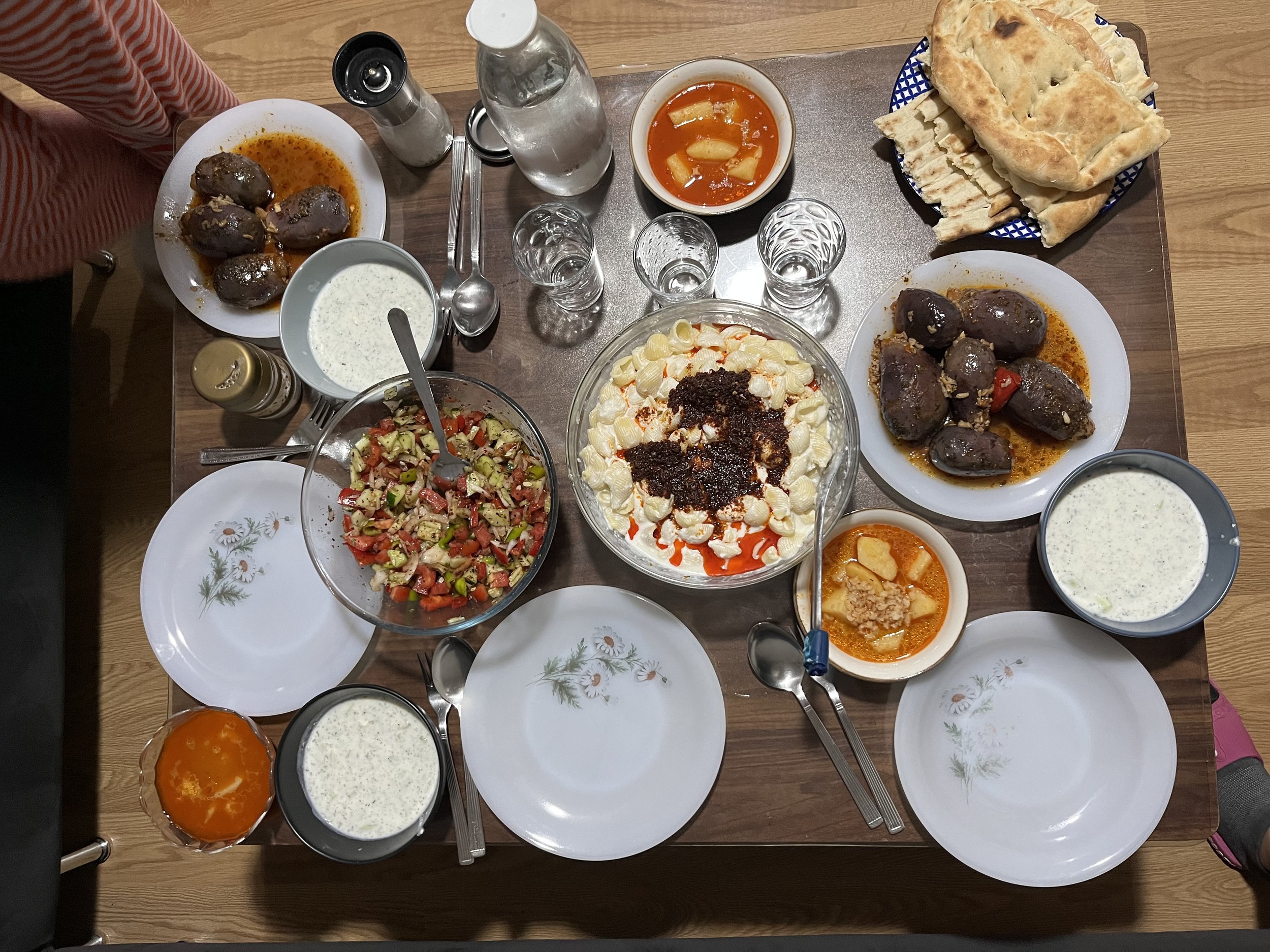
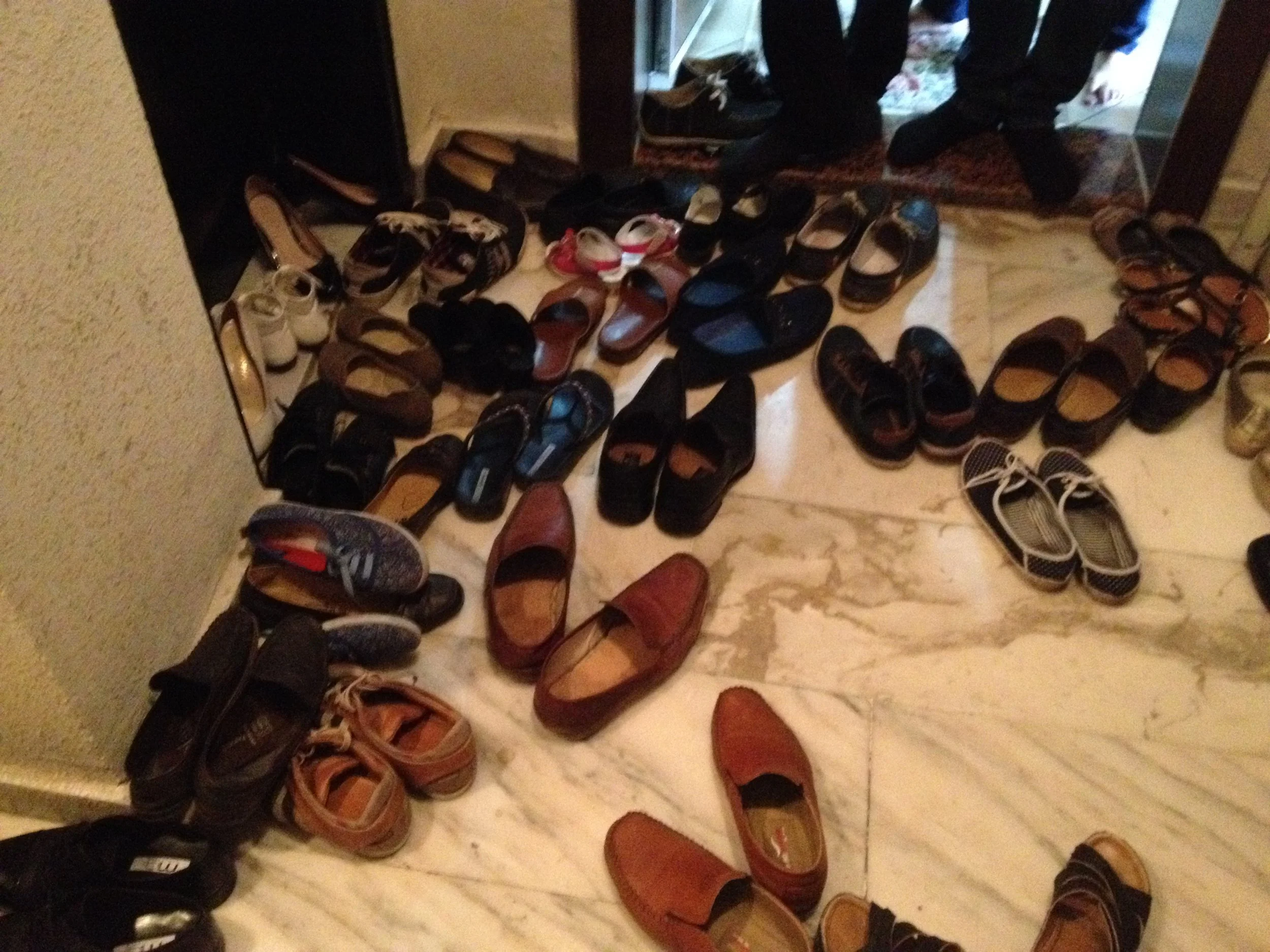
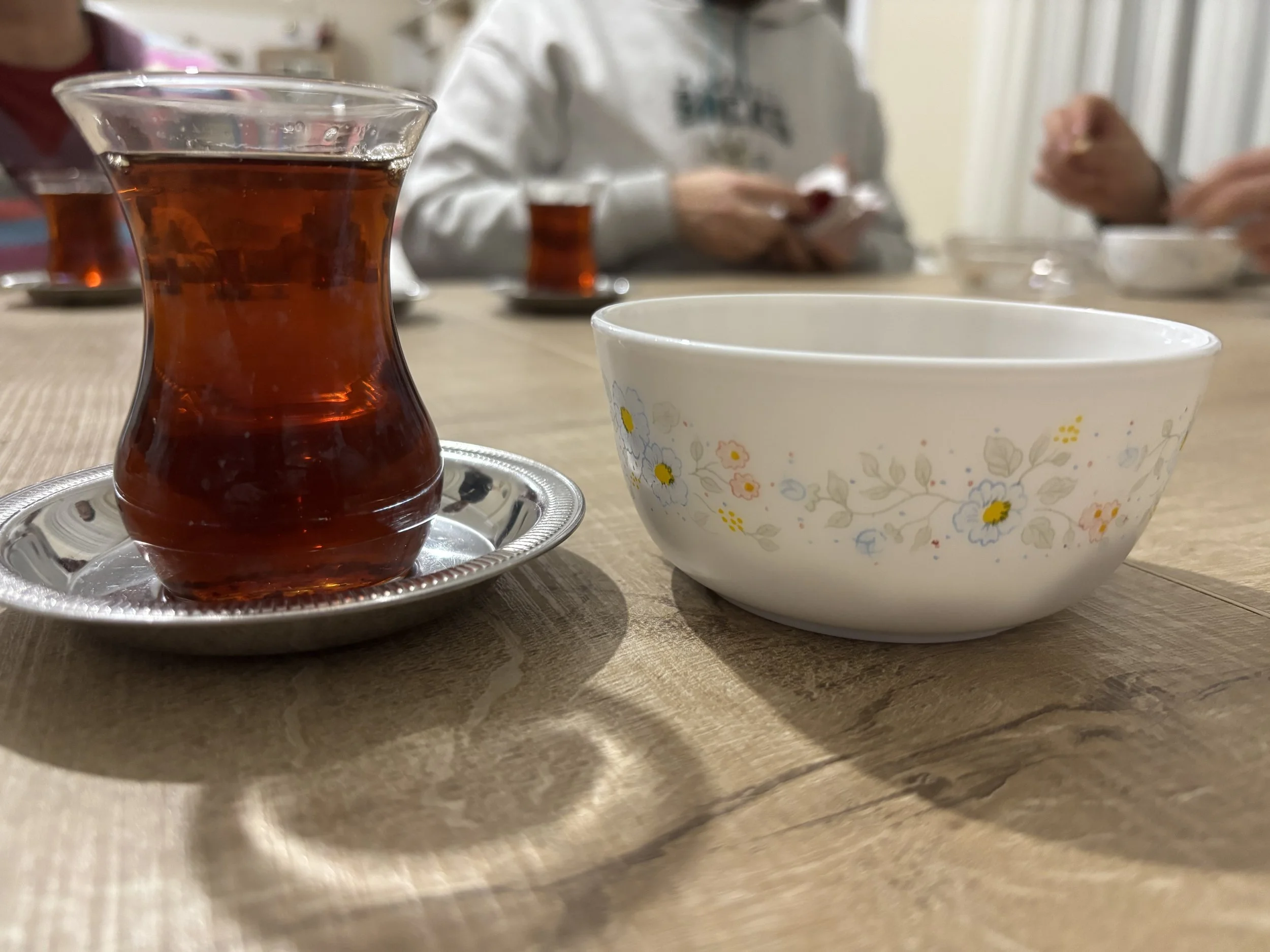
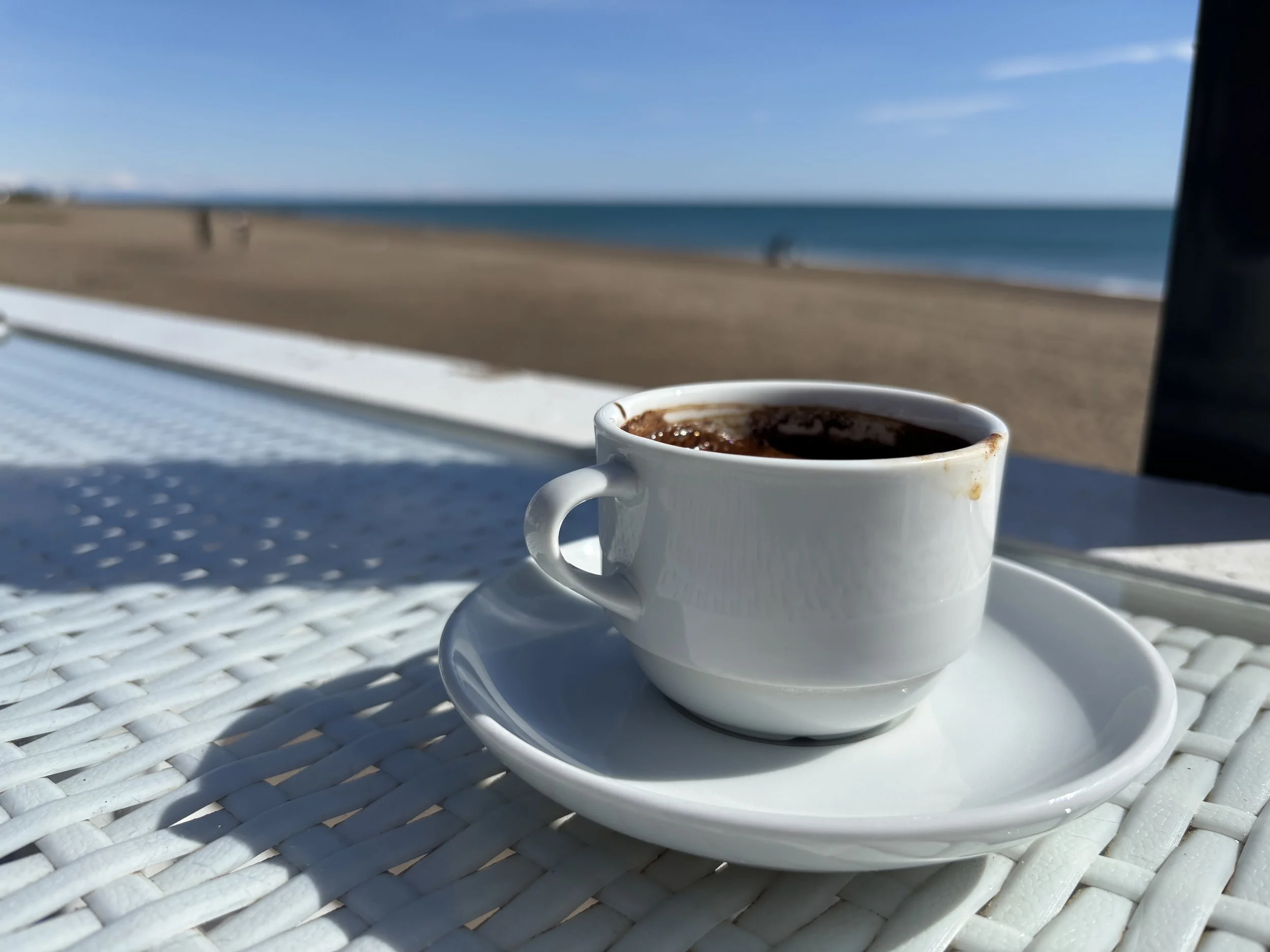
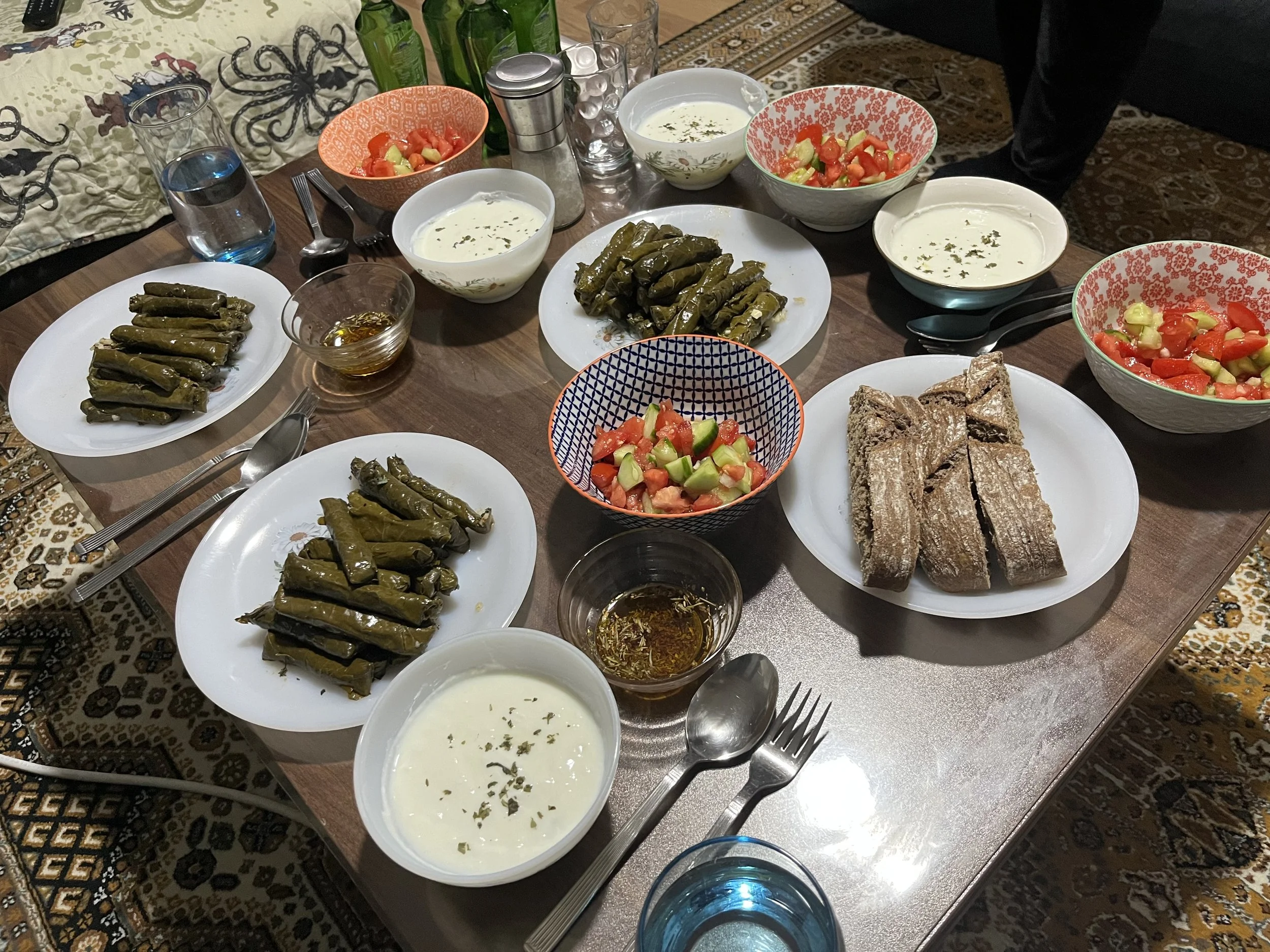
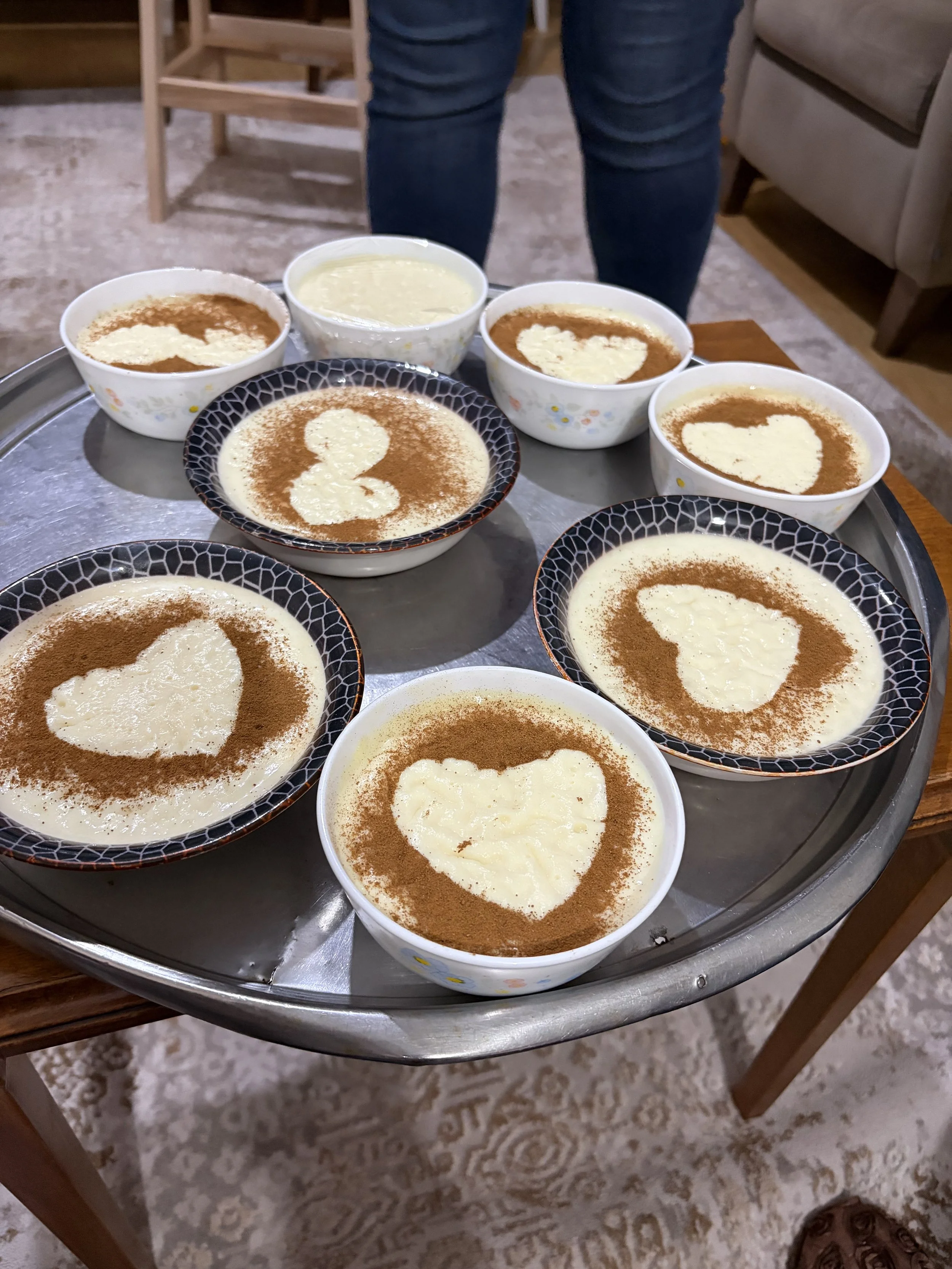
For anyone who has visited this country this comes as no surprise. Turkish hospitality is famous! This includes feeding guests copious amounts of food, giving them the best seat in the house, keeping the tea and coffee coming, and hours and hours of conversation, interspersed with music, and possibly even dancing! If you go to a Turkish home for dinner, expect to be there late into the night, and when you finally do get up to leave, expect to be begged to sit back down and stay “just a few more minutes!” With indirect communication as a hallmark of this culture, sometimes it can be a little tough to figure out when you might be free to head out. A tip someone gave me shortly after arriving here is that typically the fruit is served last. Once the fruit tray comes out, you know it’s not long before things can start wrapping up. Maybe another hour or so.
2) Sharing (Paylaşmak)
In Turkish culture, nothing is “yours” or “mine,” it is all “ours.” This often comes out in their relationships with their neighbors. Baking cookies? Fill a plate and take them across the hall. Lemons from your grandmother’s orchard? Bag some up and run them downstairs. You have a car and your neighbor doesn’t? You might end up taking them to their cousin’s wedding that’s just a little too far to get to by bus. They are ready to give anything at the drop of a hat. A mistake I made when I first came was to compliment women on their jewelry or accessories—more than once their response was to take it off and present it to me as a gift! I quickly learned to say, “your necklace looks so pretty on you!” They are as quick to share their time as they are their possessions. Lost? Often when you ask for directions they will walk with you to where you need to go. Shopping on a hot day? Don’t be surprised if the shopkeeper offers you a cold bottle of water and invites you to sit and chat awhile.
3) Being Together (Yanında Olmak)
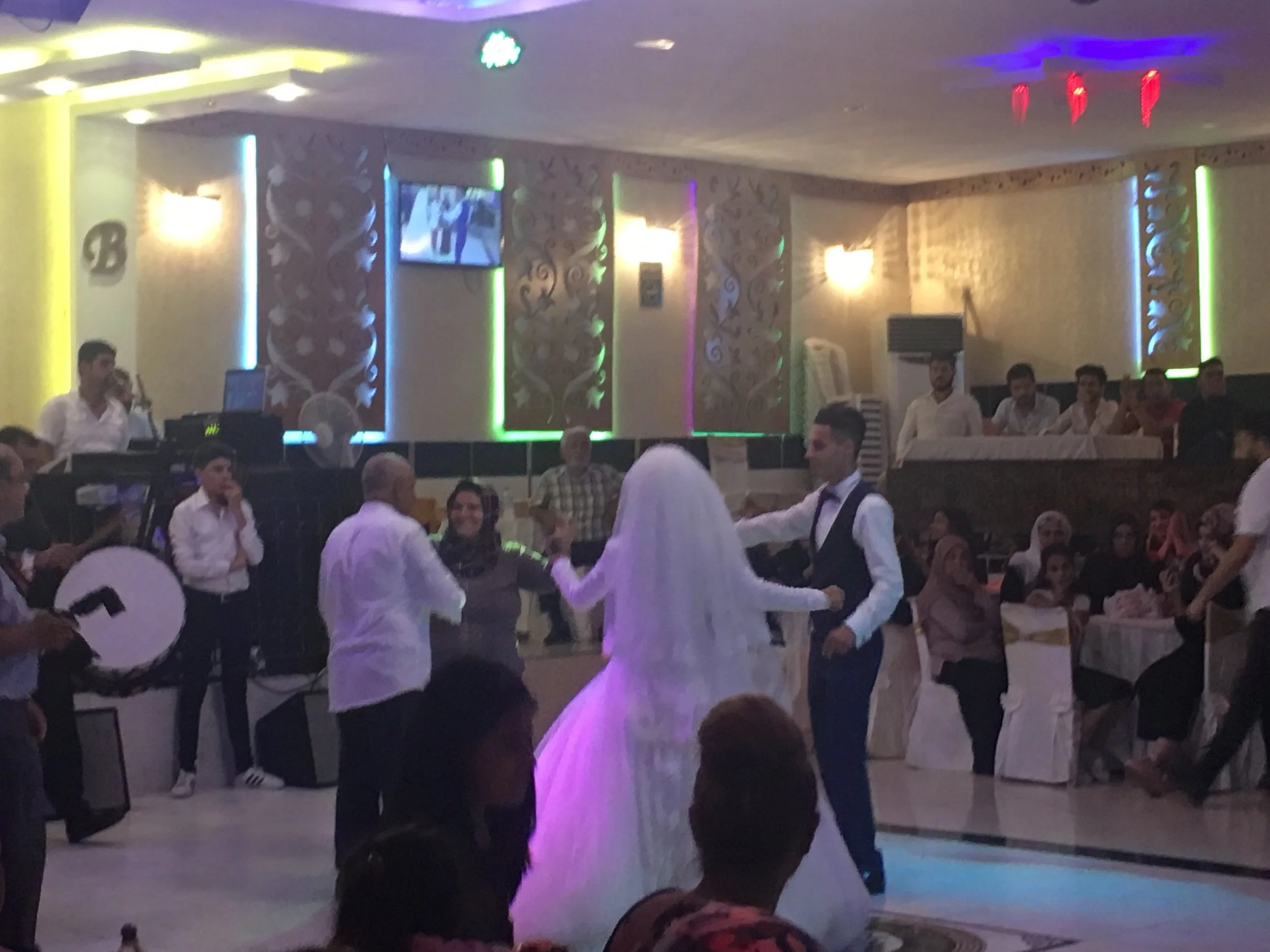
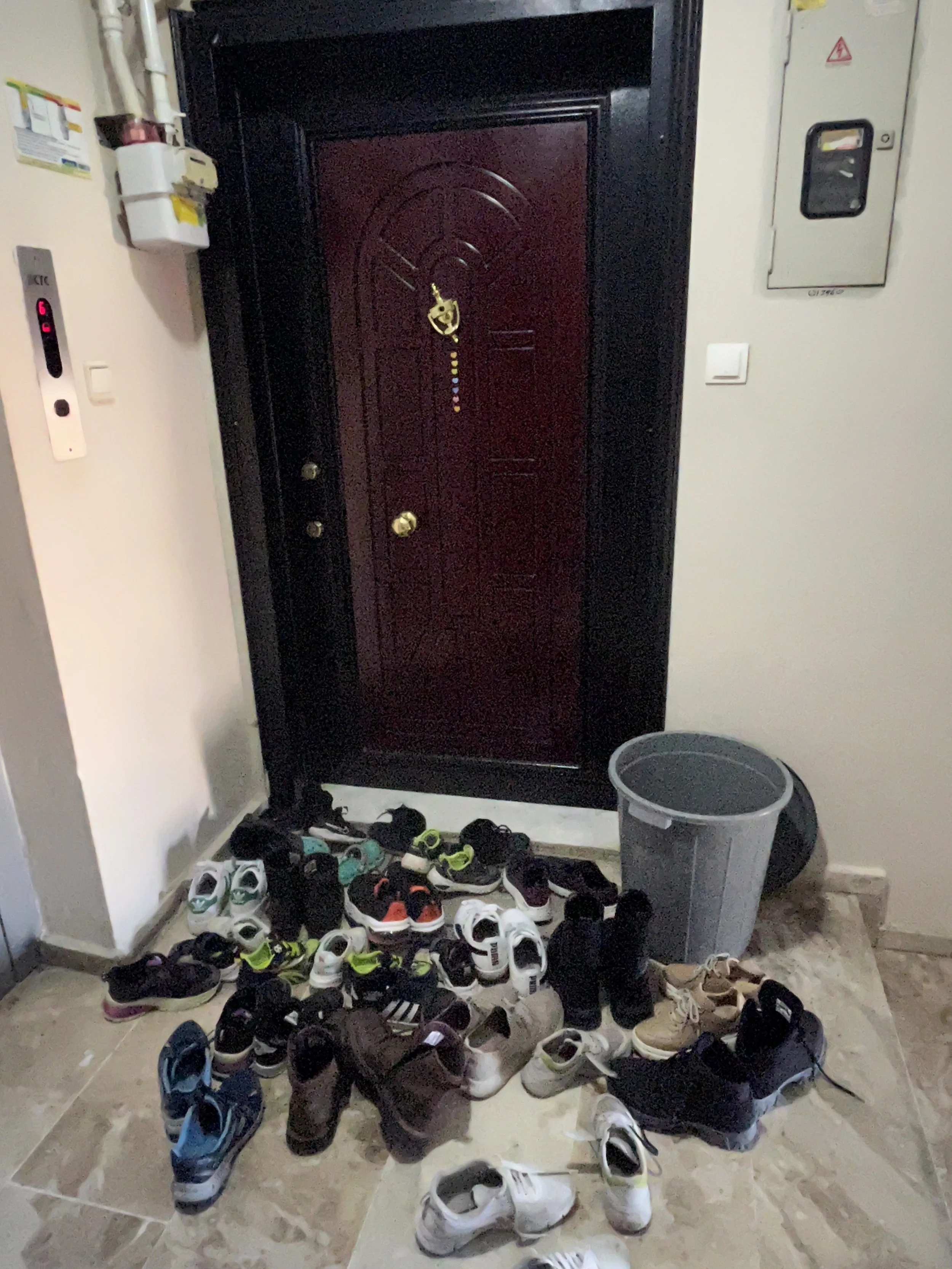
It is very important for Turkish people to be together. As in many cultures this comes out on important occasions such as holidays, weddings and funerals. But I’m not talking about merely close friends or family. I mean crowds, made up sometimes of people they don’t even know personally! I can’t count the times I’ve been invited to, and even danced at, a wedding celebration of a couple I’ve never met. A friend of a friend, or a cousin’s classmate or a best friend’s sister-in-law are often welcomed at these occasions. Sick days also count as occasions for getting together. I will never forget the first time I made a “get well soon” (geçmiş olsun) visit for a friends’ mom who had just had surgery. I walked into a house full of people milling about, and there, in the middle of them all, stretched out on the couch was the elderly mother. She was clearly not feeling well, floating in and out of consciousness in recovery, but she was surrounded by fifty of her closest friends and relatives, all there to wish her well and sit with her. While some people here dispute the “loving” nature of these kinds of visits, it’s undeniable that the intention is well-meaning—they want to express their concern and care by physically being present.
4) Grand Gestures (Aşk Eylemi)
Turks have hearts of butter. They love the dramatic soap operas depicting a lover going to fantastic lengths to be with his bride. They are suckers for the tragic endings, where everyone dies for love—Shakespeare has nothing on Turkish romantic fables! This comes out in giving and receiving grand gestures for those they love, and they go to great lengths to make them happen. Surprises are often a favorite way to demonstrate their regard. Everything from a birthday cake at the front door at 8am to an unexpected boat tour with a bunch of friends, they love to incorporate the element of surprise. Seeing the look of delight on the faces of their loved ones is one of their favorite things.
5) Cleanliness (Temizlik)
This last “love language” is a little bit tongue-in-cheek, I’ll admit. However, there is truth to the idea that people here, especially the women, highly value having a clean home. Whether that’s for hosting guests or simply for their own comfort, the detailed cleanliness of the average Turkish ladies’ home still amazes me. Dust, hair, smudges on windows are unacceptable. This leads to behavior such as leaning out of a 9-story high window to stretch to that far corner spiderweb. Or wiping across the tops of doors. Or, as crazy as it sounds, checking the line where the wall meets the floor for dirt! As we have hosted friends, we have noticed from their behavior (and their comments) that the level of cleanliness in our home makes a big difference in how relaxed and comfortable they feel. A clean house speaks right to a Turkish woman’s heart!
Have you spent time in Türkiye? Or do you have Turkish friends? What other “love languages” do you think could be added to this list?